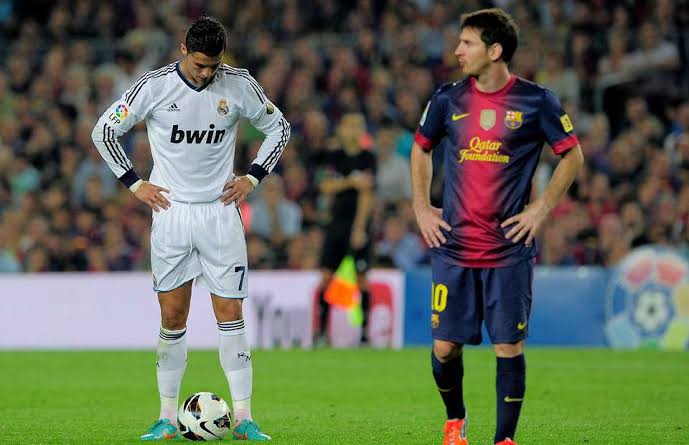
High-scoring matches in La Liga 2012/13 were not distributed randomly; they concentrated around big clubs whose playing styles either accelerated or dampened goal volume. With 1,091 goals in 380 games—2.87 per match—and Barcelona alone scoring 115 in their 100‑point title run, the league provided an ideal environment to study how tactical choices by major teams pushed matches toward or away from overs. Comparing those styles gives you a practical lens for assessing over lines whenever strong sides drive the game script.wikipedia+2
Why It Makes Sense to Link Playing Style and Overs in This Season
La Liga 2012/13 combined extreme attacking output at the top with notable defensive discipline from certain contenders, creating clear contrasts in match tempo and chance creation. Barcelona, for instance, not only amassed 100 points but also broke their own club record with 115 league goals, scoring in all 38 matches and finishing with a goal difference of +75. That level of sustained attacking pressure naturally tilted their fixtures toward high totals, especially at Camp Nou, where they averaged well over three goals scored per game.fcbarcelona+5
By contrast, Atlético Madrid under Diego Simeone were already building the defensive identity that would define his era, prioritising compactness, controlled pressing, and low concession rates. Real Madrid sat somewhere between, with high scoring potential but more structural vulnerability than Barça and less emphasis on deep-block defence than Atlético. In a league where the average game was already above 2.5 goals, these stylistic differences significantly influenced whether individual matches tended to bust over lines or stay closer to the mean.laliga+2
The Overall Scoring Environment of La Liga 2012/13
Before comparing clubs, it helps to understand the baseline. The 2012/13 La Liga season produced 1,091 goals across 380 matches, equalling 2.87 goals per game, with Lionel Messi alone contributing 46 league goals to Barcelona’s total. This high average reflected both exceptional attacking performances from the top sides and weaker defensive structures among several lower-half teams, which provided fertile ground for lopsided scorelines and wild swings.statmuse+2
Barcelona’s campaign, leading the league from the first game and finishing 15 points ahead of second place, illustrates how one team’s approach can elevate league-wide numbers. However, the averages obscure important variation: some clubs regularly participated in goal-heavy games, while others—especially those with strong defensive identities—kept scorelines lower even against powerful opponents. Understanding where each big team sat relative to this league baseline is key for mapping style to over/under probabilities.fcbarcelona+2
Barcelona 2012/13: Aggressive Positional Play and High Over Potential
Barcelona’s 2012/13 side combined relentless positional play with extraordinary individual quality, leading to a record 115 league goals and scoring in every single match. Their approach under Tito Vilanova remained built around high possession, structured occupation of zones, and heavy commitment of players into advanced positions. The effect was a high volume of chances created per game, with Messi’s 46 league goals highlighting just how often they converted that dominance into the scoreboard.wikipedia+4
From an over-betting perspective, Barcelona’s style pushed matches toward expanded goal distributions. Their home games often saw them average more than three goals scored, and their high defensive line, coupled with an emphasis on attacking fullbacks, sometimes left space for opponents to counter, especially in transitions. The cause–effect chain is simple: a team that constantly overloads the final third and maintains high tempo will inflate xG on both sides, making overs more plausible even when they are strong favourites.sportstats365+1
Real Madrid 2012/13: Transition Threat and Mixed Defensive Control
Real Madrid in 2012/13 did not match Barcelona’s 100‑point season but still possessed a roster capable of explosive attacking transitions, with players who thrived in space and in quick counters. While their overall league campaign was considered underwhelming relative to expectations, their matches often featured open phases, especially in big games where they traded blows with Barça or faced mid-table sides willing to attack. That combination kept their fixtures attractive for overs, although with slightly more variance than Barcelona’s more controlled domination
Defensively, Madrid lacked the same compact, low-variance identity that Atlético were developing, and their occasional late concessions—like the 2–2 home draw with Espanyol after a late goal—underscored that volatility. For bettors, that meant Madrid games could swing between comfortable wins and unexpectedly high-scoring draws, depending on game state and tactical choices. The impact was that overs in Madrid fixtures often had a strong narrative basis in their transition-heavy style, but they carried more uncertainty than overs involving Barcelona’s systematic chance production
Atlético Madrid 2012/13: Defensive Weapon and Lower Over Frequency
Atlético Madrid, under Diego Simeone, were already building the defensive solidity that would define their later success, treating defending as an active weapon rather than a passive stance. They prioritised compact lines, intense but controlled pressing, and disciplined positioning, which reduced the number of clear chances they conceded and kept many matches tight. While they possessed attacking threats and could score multiple goals, their default script was to control risk first and expand only when necessary.instagram+2
In a league context averaging 2.87 goals per match, Atlético’s approach naturally brought some fixtures back toward or below that baseline. For over bettors, this meant that matches involving Atlético, especially against cautious opponents, were less automatic candidates for high totals than Barcelona’s or Madrid’s games. The cause–effect link is that structured defending and game management compress the range of possible scorelines, making unders or conservative totals more reasonable even in a high-scoring league.espn+1
Comparing Big-Club Styles Through an Over/Under Lens
Framing the three major teams side by side makes their overs profiles clearer:
| Team | Attacking Style | Defensive Approach | Typical Impact on Overs |
| Barcelona | High-possession, positional, heavy overloads | High line, proactive but occasionally exposed | Strong bias toward high totals, especially at home wikipedia+3 |
| Real Madrid | Transition-focused, direct bursts | Solid but less compact, vulnerable in chaos | High-scoring potential, but more volatile |
| Atlético Madrid | Compact, structured, opportunistic attack | Deep/mid block with intense discipline | Tendency to suppress extremes and goals laliga+2 |
This comparison shows that even within the set of “big teams,” overs were not equally attractive. Barcelona’s relentless attacking system and record-breaking 115 goals make them the clearest overs engine, while Atlético’s defensive orientation reduced goal volume despite their quality. Real Madrid sat between, offering both explosive scorelines and occasional grind games, depending on opponent and context.
How Opponents’ Profiles Altered Over Probabilities
Big teams do not play in a vacuum; the style of their opponents in 2012/13 significantly shaped whether games tilted toward high or low totals. Barcelona facing a relegation-threatened side that defended deep but lacked counter-attacking punch often resulted in lopsided, yet still high-scoring matches, because Barça could sustain pressure until the defence cracked. Conversely, Atlético against a conservatively set-up mid-table team could produce low-event games with few clean chances, as both sides prioritised risk control.facebook+2
Performance stats from the season show that there were long winning and unbeaten streaks, but also stretches where underdogs or defensive specialists achieved their objectives, like Osasuna staying up while scoring just 33 goals. When a big team’s style met an opponent determined to minimise space and slow the game, overs became more dependent on early goals breaking the structure. The cause–effect relationship is that tactical matchups either amplify or dampen the big club’s natural tendency toward high scoring, meaning overs were strongest where both sides’ styles aligned toward open play.sbnation+1
Market Interpretation and the Role of UFABET in Overs Decisions
When translating style into betting decisions, the key question is whether the odds on goals reflect what you know about these teams’ tendencies. If a Barcelona home match in 2012/13 was priced with a high total—over 3.0 or 3.5—it often still reflected their genuine scoring potential, given their average of more than three goals at home and their record of scoring in every league game. The opportunity arose when lines for other big-team matches did not fully account for style contrasts, such as when Atlético’s defensive profile suggested lower totals than a generic “big club” expectation would imply.fcbarcelona+2
In situations where you compare prices across multiple operators or check lines at different times, the way a given provider reacts to narratives about attacking football versus defensive solidity becomes relevant. For instance, a bettor might observe that some outlets move goal lines quickly for Barcelona or Madrid games based on public anticipation of high scores, while being slower to adjust totals on Atlético fixtures. When used carefully, a betting interface from a provider like ufabet app android can help you see how strongly the market is weighting “big team means overs,” so you can decide whether style-based logic supports or contradicts that pricing before committing.
How casino online Context Changes Practical Over Strategies
The environment in which you actually place over bets can subtly distort how you apply your style-based insights. A casino online website often packages overs into parlays, specials, and “boosted” offers built around popular teams and star players, especially when clubs like Barcelona and Real Madrid are involved. In a season where Messi scored 46 league goals and Barça broke their own scoring records, promotions tied to high-scoring outcomes could easily encourage overexposure to overs without a nuanced view of matchups.fcbarcelona+2
From a style perspective, this environment compresses important distinctions: it may treat all big-team fixtures as equally “good” for overs, even when Atlético’s defensive style or certain opponent profiles argue for more caution. If you rely on packaged offers instead of your own reading of playing styles and tactical matchups, you risk ignoring cases where the big club’s identity actually suppresses goal volume. Recognising this, disciplined bettors treat the casino-style context as marketing, not as a substitute for analysis, and continue to use stylistic comparisons—from Barcelona’s relentless attacking to Atlético’s controlled defence—to decide when overs truly make sense.
Summary
Comparing the playing styles of La Liga’s major clubs in 2012/13 with their tendency to produce high-scoring matches shows that “big team equals over” is an oversimplification. In a season with 1,091 goals, 2.87 per match, and Barcelona’s 115‑goal, 100‑point campaign, Barça’s aggressive positional play and scoring in all 38 league games made their fixtures especially fertile ground for overs, particularly at home. Real Madrid contributed their own brand of transition-driven volatility, while Atlético Madrid’s compact, defensively disciplined approach often dampened totals despite their quality.