
Football LawsThis is a crucial foundation that ensures every match is fair, transparent, and exciting. From regulations on the number of players and goal scoring to fouls, everything is meticulously structured to guarantee the professionalism of the beautiful game. We stand alongside you.ttbd By understanding the rules of football, fans can follow the match more fully and accurately.
What are the laws of football?
Football LawsFootball is a system of regulations issued by the International Football Federation (FIFA) to control all aspects of a match. These rules are applied uniformly in both professional and amateur leagues worldwide. Thanks to these clear rules, football has become a highly competitive sport while still ensuring fairness for all teams.

Throughout its development, the rules of football have been continuously adjusted to better suit the pace and trends of modern play. Some notable changes in recent years include VAR technology, substitution rules, and handball regulations. According to assessments by…tỷ lệ kèo bóng đá The updated rules have made the matches much more exciting and transparent.
Currently, football rulesThese rules are developed and managed by the IFAB – the organization responsible for issuing the official rules of the sport. These regulations apply not only to players but also to referees, coaches, and match organization. This is a crucial foundation for football to maintain its appeal worldwide.
Important things to know about the laws of football.
The current Laws of Football consist of 17 official rules, applicable from amateur levels to top-tier leagues. Each rule plays a specific role in governing the game.
The regulations cover the playing field, the match ball, the number of players, uniforms, referees, match time, and how to determine valid goals. (According to assessments from…)FireTVUnderstanding these rules makes it easier for viewers to follow and fully appreciate the appeal of the beautiful game.
The playing field meets international standards.
In football rules,The playing field must be rectangular, with a standard length of 100 to 110 meters and a width of 64 to 75 meters for international matches. All dimensions are clearly defined to ensure uniformity among stadiums worldwide.
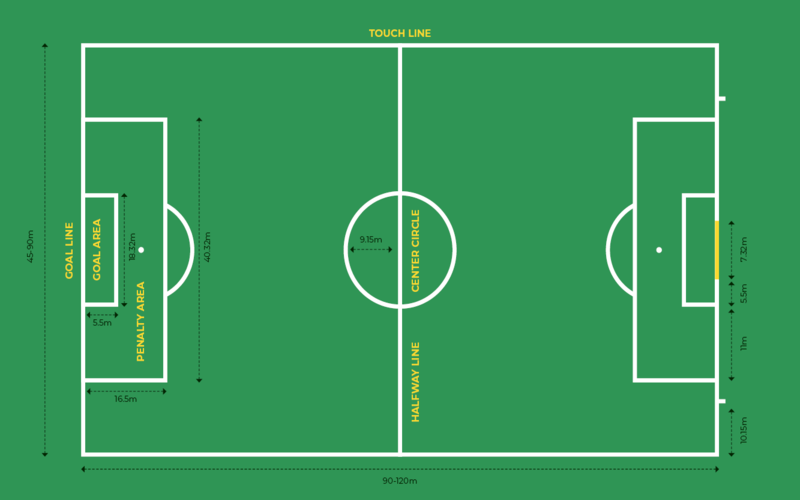
Goalposts measuring 7.32 meters wide and 2.44 meters high are positioned at both ends of the pitch. Additionally, the penalty area, center circle, and penalty spot are precisely marked to assist the referee in officiating the match more effectively.
Regulations regarding the number of players on the field.
Each team is allowed to field a maximum of 11 official players, including a goalkeeper. If a team has fewer than 7 players due to yellow cards or injuries, the referee will stop the game according to current regulations.
In current leagues, the number of substitutions usually ranges from 5 to 6 players, depending on the format of each competition.Fire Live They often update the starting lineup and personnel changes before the match so that viewers can understand each coach’s tactics.
Standard match time in football
A standard football match consists of two official halves, each lasting 45 minutes, with a 15-minute break in between. This is the time for players to recover their energy and adjust their tactics before entering the next half.
In addition to the regular playing time, referees have the right to add injury time to compensate for interruptions such as substitutions or injuries. In many knockout matches, the two teams may also go into extra time and a penalty shootout to determine the winner.
Conditions for a goal to be recognized as valid
A goal is only awarded when the entire ball crosses the goal line and the scoring team has not committed a foul beforehand. This is an extremely important rule to ensure fairness in every match.
Goals can be disallowed if a player is offside, uses their hand to play the ball, or fouls an opponent before shooting. Thanks to VAR technology, decisions related to goals are now much more accurate.
Offside rules and common controversies
The offside rule is considered one of the most confusing regulations for many football fans. A player is considered offside when they are closer to the opponent’s goal than the ball and the second-to-last defender at the moment a teammate passes the ball.
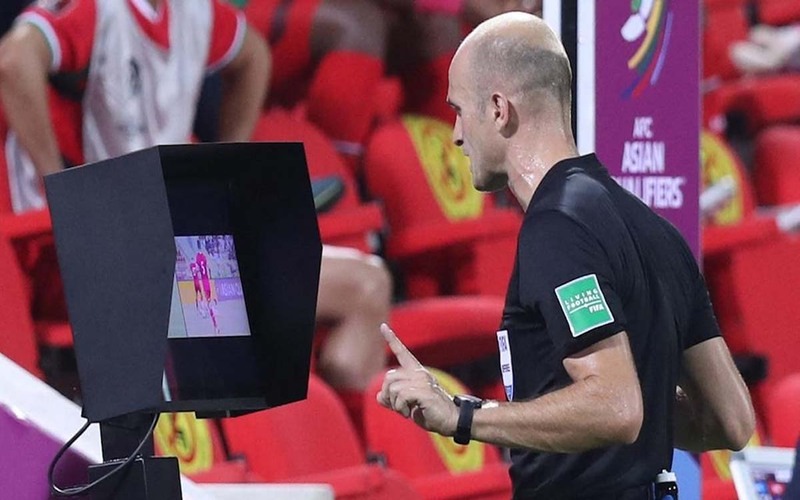
However, the referee will only blow the whistle for a foul if the player is directly involved in the play or influences an opponent. According to the referee’s assessment…Fire LinkVAR technology is helping to determine offside situations more accurately and transparently than before.
Regulations for taking penalty kicks according to the new rules.
Penalty kicks are taken from 11 meters when the defending team commits a foul in the penalty area. Only the penalty taker and the goalkeeper are allowed to be directly involved in the situation before the ball is kicked.
The goalkeeper must stand on the goal line until the player takes the shot.football rulesAny premature movement or technical violation may result in the penalty kick being retaken at the referee’s discretion.
Common mistakes that often occur during a match.
In football, common fouls include pulling shirts, pushing, dangerous tackles, or illegal handball. When a player commits a foul, the opposing team may be awarded a direct or indirect free kick depending on the severity of the violation.
If a foul occurs inside the penalty area, the referee will award the opposing team a penalty kick from the 11-meter mark. This is a great scoring opportunity and often creates a crucial turning point in the match.
Conclude
From the article above, it can be seen thatfootball rulesUnderstanding the rules plays a crucial role in maintaining the fairness and appeal of the beautiful game. It not only helps players perform better but also allows fans to fully enjoy the game.Fire Live We will continue to update with more useful information about football to provide readers with the most interesting and accurate knowledge.